Watch a demo
How Italy is repowering aging solar into assets
Discover more about how Italy is breathing new life into its aging solar plants, boosting output, and driving toward the country’s 2030 climate goals



Emil Trepin
Account Executive
Account Executive with a strong track record in SaaS sales and business development across multiple European markets. I specialize in driving revenue growth, building strategic relationships, and scaling market presence for innovative tech solutions in the energy sector.
Graduated in International Studies at the University of Trento with a thesis on foreign policy decision-making. Title: “Foreign Policy Decision-Making: A Poliheuristic Explanation of Donald Trump's Decisions in the Middle East”. During my Bachelor's degree, I studied for 5 months at the Kaunas University of Technology (Lithuania) as part of the Erasmus+ program.
Graduated in International Relations at the University of Bologna with a final dissertation on U.S. semiconductor policy in the Indo-Pacific region. In 2023, I attended Dickinson College (Pennsylvania, USA) during the spring semester as part of the UniBo Overseas program.

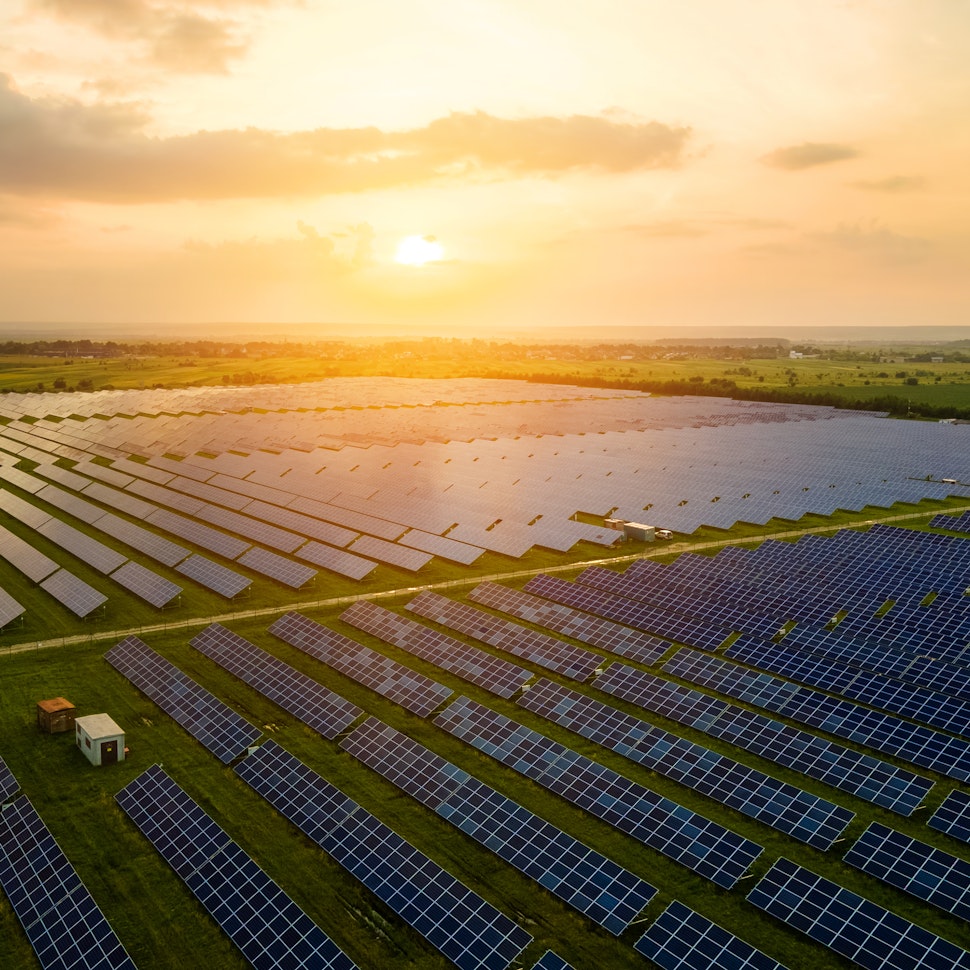
Italy is one of the world’s trailblazers in renewable energy production, and after hydroelectric power, solar is its standout performer among green energy sources. Between 2005 and 2015, Italy’s photovoltaic systems, in particular, experienced a boom, surpassing those of every other country in international rankings.
Italy is investing €23 billion to modernize its grid and unlock the full potential of solar and storage. Get insights on Terna’s plan to boost transmission capacity, cut congestion, and connect Italy with Europe. Download the Modernizing Italy’s grid: what Terna’s €23B investment means for solar and storage ebook now to explore the projects driving the country’s energy transition.


However, as of today, many of these installations are underperforming or nearing the end of their design life. But instead of letting them fade away, Italy is embracing repowering and revamping as a strategic tool to meet its PNIEC 2030 climate goals without expanding land use.
The challenge of aging solar infrastructure
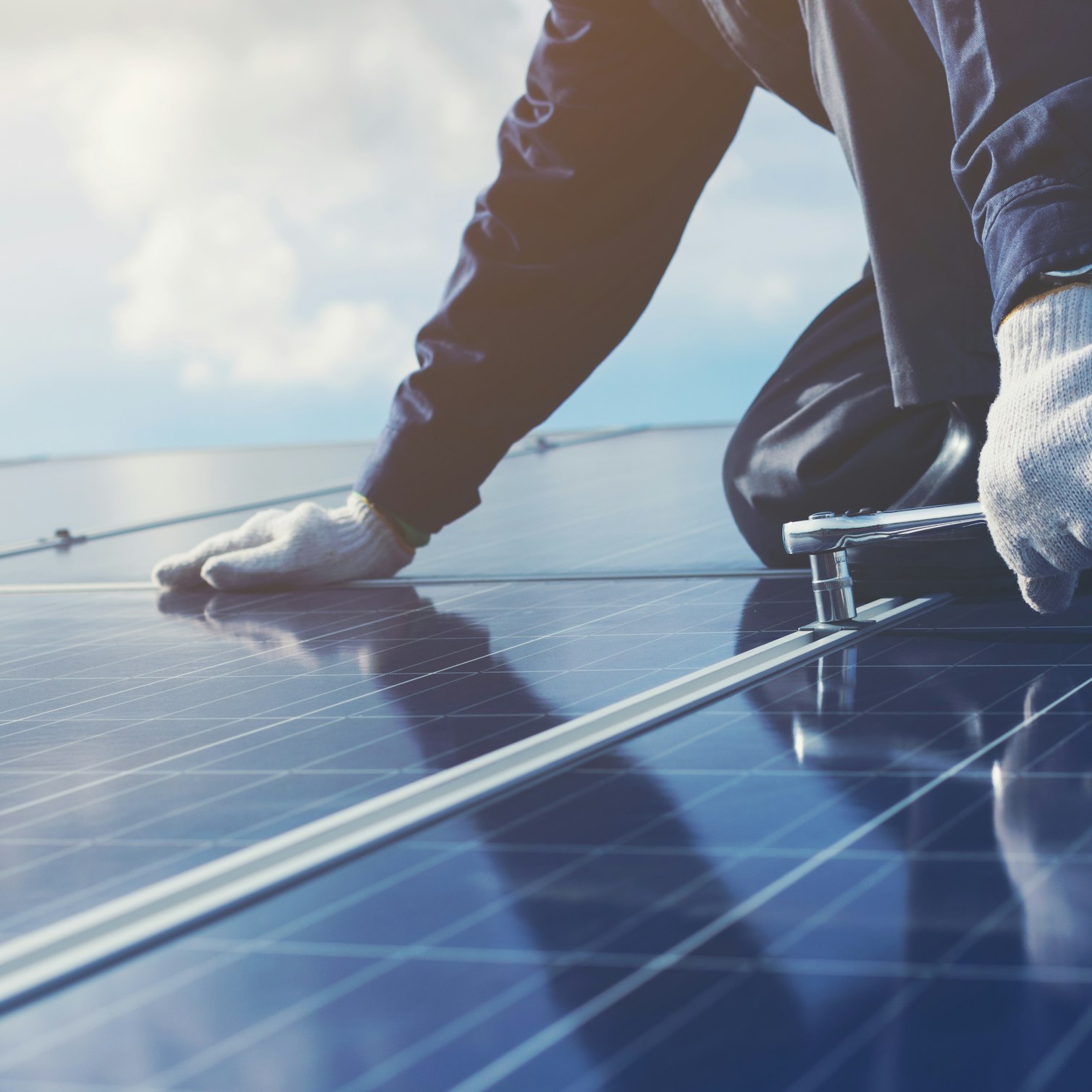
The average lifespan of a solar array is around 30 years, so many of Italy’s installations are entering their twilight years.
For example, the 990 kWp IGEP Francavilla plant in Apulia was one of the first plants ever built in Italy. Thirteen years after the PV system was initially connected to the grid in 2011, collected data showed a sizable drop in module performance, which was clearly showing its age.
Cases like this highlight the growing need to update early-generation systems not only to recover lost efficiency but also to extend their operational life. However, in addition to module and component degradation, there are other significant challenges to overcome.
Regulatory risks (e.g., feed-in tariff compliance)
Many of the first-generation solar plants were built under generous feed-in tariffs or other incentive schemes. Any major equipment upgrade can trigger compliance reviews or requalification requirements, and operators risk losing those subsidies if repowering isn’t handled in accordance with the law.
Grid limitations and upgrade costs
Older sites weren’t designed for modern generation levels or new grid codes. Repowering can require transformer replacements, substation upgrades, or new grid connections, all of which can turn a straightforward upgrade into a costly infrastructure project.

Financial uncertainty and ROI concerns
While repowering can improve energy yield and extend asset life, the upfront capital costs and uncertain payback periods still make some investors hesitate, especially with fluctuating electricity prices and evolving incentive structures.
The keys to a successful revamp
Despite these challenges, the ongoing strength and resilience of the solar industry are now pushing the concept of “repowering” into the spotlight, as operators seek ways to modernize older installations and boost long-term performance and sustainability.
Here are some ways that photovoltaic energy suppliers can assess and get the most out of their installations.
Use aerial thermography and performance analytics
Aerial infrared thermography is now a key method for detecting faults in solar modules, offering a cost-effective, scalable way to assess performance. By combining it with continuous monitoring and advanced fault-detection techniques, operators can keep systems running efficiently and extend the lifespan of their PV modules.
Upgrade inverters, modules, and consider adding trackers
As solar plants age, upgrading components such as inverters, modules, and trackers has become a practical way to boost efficiency and extend operational life. Trackers in particular have proven their worth, delivering payback within just a few years and continuing to generate strong returns over decades.
Repowering projects with newer, more reliable equipment not only improves energy yield but also helps prevent costly production losses and downtime. For asset owners focused on long-term performance, targeted upgrades are a smart investment that can future-proof their installations.
Ensure regulatory compliance with GSE and local authorities
Ensuring regulatory compliance with GSE and local authorities is essential to maintaining project integrity and avoiding costly delays. Developers must align with GSE’s stringent quality, safety, and sustainability standards, as well as national and regional regulations governing construction, environmental protection, and grid connection. Transparent reporting, regular audits, and adherence to established codes of conduct help demonstrate accountability while reinforcing a project’s long-term credibility and operational resilience.
Cluster upgrades across multiple plants to optimize logistics
Coordinating upgrades across multiple solar plants can unlock major cost and performance gains. In Italy, companies like ContourGlobal are adopting a cluster approach to repowering.
The firm is modernizing 35 of its 71 PV plants (about 42 MWp of capacity) and expects to increase output by around 43% without expanding land use. By upgrading modules, inverters, and converting fixed arrays to single-axis trackers, multiple sites can be revitalized in parallel, cutting downtime and streamlining logistics.
This coordinated model, supported by recycling initiatives that recover up to 97% of old materials, shows how treating aging assets as part of a unified energy portfolio can reduce costs, enhance reliability, and accelerate the renewable transition.

Why repowering matters for Italy’s energy future
Italy’s drive to revamp its solar energy infrastructure isn’t just about boosting megawatts. It’s about maximizing efficiency while preserving land.
According to EF Solare Italia, repowering existing PV plants could account for 10 to 15% of the country’s 2030 solar target, while saving up to 120 km² of land that would otherwise be needed for new installations.
Meanwhile, a recent overview by SolarPower Europe underscores that the scale of deployment required (around 8 GW of new solar per year in Italy from 2024-30) places repowering front and center of a smart strategy. By breathing new life into aging arrays, operators can achieve two things at once: increased clean output and reduced space demands.
Beyond yield and land efficiency, repowering supports broader policy goals and community-level transition. Upgraded solar assets help reduce CO₂ emissions, optimize site resources, and lay the groundwork for Renewable Energy Communities (RECs) to flourish, enabling local stakeholders to engage directly in production and consumption.
Coupled with incentives in Italy’s Piano Nazionale Integrato per l’Energia e il Clima (PNIEC), repowering serves as the practical lever to accelerate the country’s renewable energy transition at scale.
Early Bird 50% off for PULSE 2026 is live!
Join hundreds of global renewable energy professionals, gain industry insights, and make valuable connections. Don't miss out!!


Latest stories
Related posts
Market analysis
Curtailment and compensation: Can batteries balance Brazil’s energy equation?
Explore how Brazil’s transmission bottlenecks are driving rising curtailment, creating revenue loss and financing risk for renewable projects and why utility-scale energy storage will be critical to minimizing waste and unlocking value as the grid evolves.
Updated 31 MAR, 26


Market analysis
From Loi Grémillet to PPE3: What France’s energy shift means for solar
Discover how the Grémillet bill reshaped France’s energy debate, and how the final PPE3 decree now defines the roadmap for solar and renewables through 2035.
Updated 17 MAR, 26


Market analysis
A look at the largest-scale solar projects across the UK
Find out more about how the UK is developing substantial solar power projects, including the Queequeg Renewables Solar PV Park and the Botley West Solar Farm.
Updated 24 FEB, 26