Watch a demo
Powering through the peak: Why solar + storage is gaining momentum in MENAT
Discover how MENAT is building a functioning solar economy and why rising peak demand during extreme heat is squeezing its energy architecture.


Content
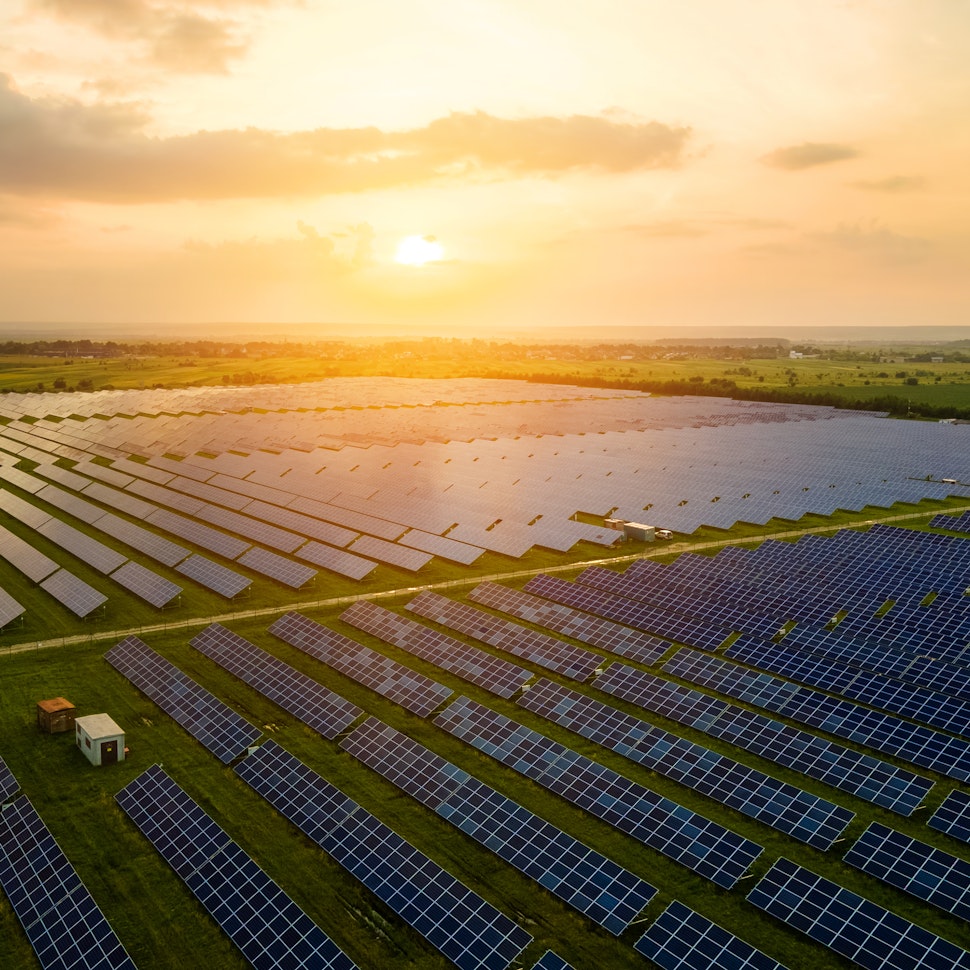
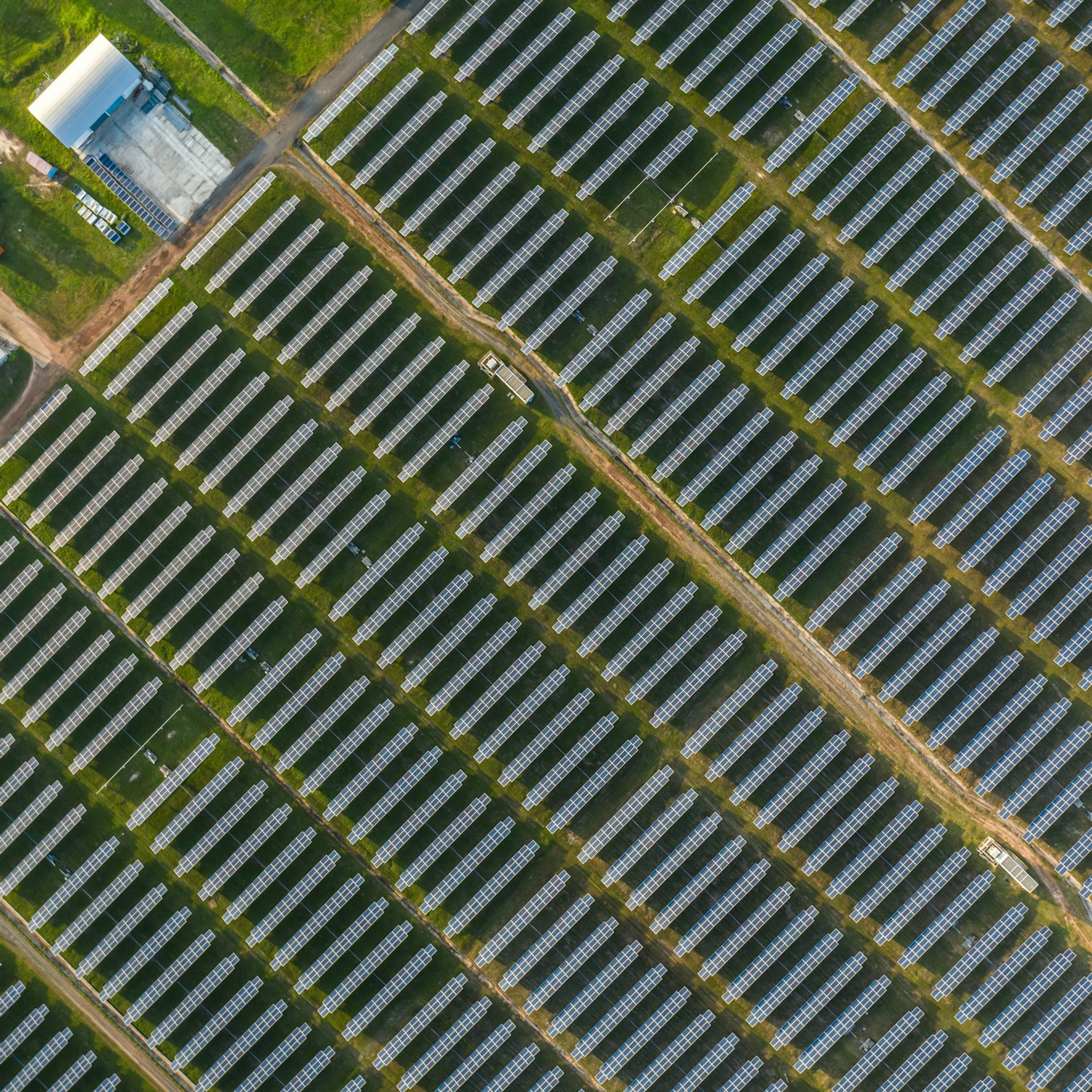
The Middle East and North Africa (MENAT)’s solar sector logged record growth in 2024, adding 25% more grid-tied PV to reach 24 GW. Saudi Arabia and the UAE accounted for most of the new additions in the Gulf, while Morocco (now sitting above 2 GW) quietly pulled ahead in North Africa. Tunisia and Algeria aren’t far behind.
New battery storage is coming online to soak up all this sunshine. Over 20 GWh of BESS projects are moving the region past the buildout stage and into dispatch. Manufacturing-wise, a wave of new factories pushed regional module production to 3 GW last year. These homegrown suppliers should help reduce MENAT’s reliance on imports and strengthen its position as a solar supply node for Europe and sub-Saharan Africa.
Download the 2025 Renewable Energy and Solar Research Report to unlock essential insights on the renewables industry. With expertise from our survey and data from solar simulations on RatedPower, the Report explores trends, challenges, and solar design preferences.
By all visible metrics, the region is well on its way to building a functioning solar economy. But it has yet to address one of the most significant stressors squeezing its energy architecture: rising peak demand during extreme heat.

Heat is pushing systems to their limit
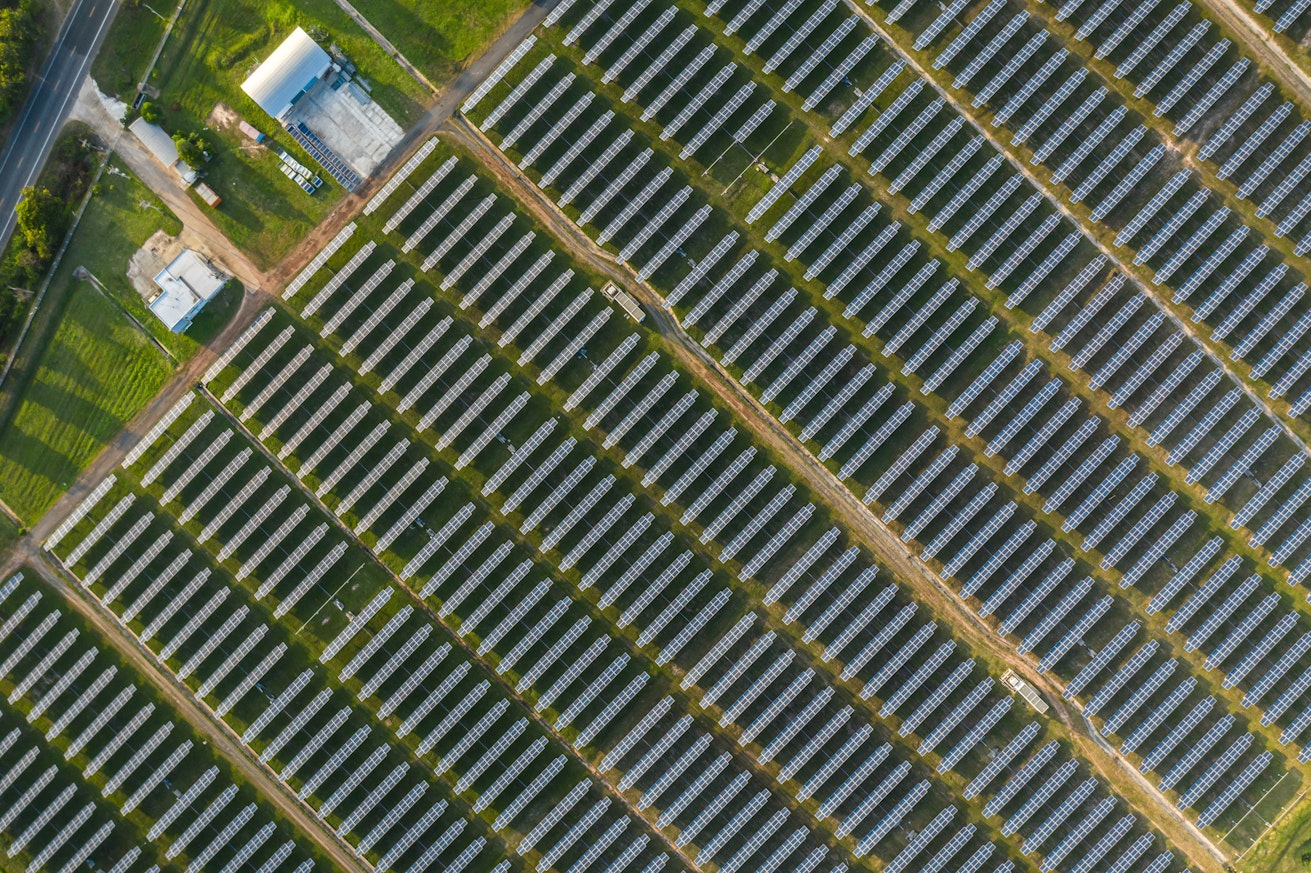
An increase in heat is driving up cooling loads in MENAT and pushing demand into dangerous territory.
In July 2025, electricity use in Turkey surged past anything it had recorded before. A historic heatwave pushed demand to 59 GWh in a single day, a grid-warping symptom of a widening seasonal divide.
Back in 2008, the difference between summer and winter peaks in the country was less than 800 MW. That number has grown to 9.1 GW by 2025. Summer demand now runs more than 20% above average hourly consumption, and cooling is doing most of the damage.
Each additional degree of heat requires an estimated 770 MW of additional generation. At that pace, cooling-related electricity use in Turkey could triple by 2035, reaching 35 TWh. Peak hourly demand could jump 50% to 85 GWh.
The same pattern is playing out in Oman, where, according to IEA, regional electricity demand will keep rising by about 4% per year through 2027.
Longer and hotter heatwaves are pushing grids harder each summer. Without storage, most systems have to fall back on gas or diesel peakers to stay online. It keeps the lights on for now, but it increases environmental and economic costs.
Storage moves to the front of MENAT’s energy strategy
As steepening duck curves make late-day balancing progressively harder, utilities across MENAT are starting to plan around batteries.
Right now, the region has 17 operational utility-scale renewable energy storage projects, totaling about 20,455 MWh. Batteries make up the majority of that capacity (roughly 55%) while the rest comes from thermal storage tied to CSP plants in places like the UAE, Morocco, and Kuwait.
But that is changing quickly. By 2030, MENAT is expected to host 48 operational utility-scale renewable energy storage projects with a combined capacity of 138,955 MWh, almost seven times the current numbers. BESS is set to dominate with a 69% share, while pumped hydro is starting to appear in project pipelines.
The conditions are lining up. Solar costs have dropped far enough to make it financially viable to pair large-scale PV plants with storage. Government programs are also directing low-cost public capital to help developers move from concept to commissioning far more quickly than they could a few years ago.


Countries leading in BESS integration
The UAE is one of MENAT’s early movers in both solar and storage. It went from 12 MW to 6.1 GW in just over a decade (from 2012 to 2023), landing in the global top ten for solar capacity per capita. It also has multiple operational grid-connected energy storage projects, including molten salt thermal storage linked to DEWA’s 700 MW CSP plant and pilot-scale BESS units now being tested in Abu Dhabi. Storage is still early-stage, but it’s now being written into tenders and integrated into long-term planning frameworks, such as the Dubai Clean Energy Strategy, which targets 75% renewables by 2050.
Saudi Arabia is betting $235 billion on clean energy and deploying storage in volumes that match its solar buildouts. Projects like Ar Rass 1 (700 MWAC) and the off-grid Red Sea development are setting new benchmarks. The Red Sea site alone runs on a fully islanded system anchored by more than 1.3 GWh of battery storage, one of the largest off-grid BESS deployments globally. With $1.33 billion in financing, the system powers everything from desalination to cooling using only renewable energy. It’s a flagship for Vision 2030 and a blueprint for integrated clean infrastructure.
North Africa is pushing ahead, too. Egypt’s 200 MWAC Kom Ombo project is online, and Morocco is planning 1.6GW in BESS projects.
The case for time-of-use (TOU) optimization
MENA’s high solar output during midday and peak demand in the evening makes TOU one of the most practical levers utilities can pull to improve dispatch and reduce curtailment. Early results of Jordan’s dynamic tariffs, for example, are successfully nudging demand into off-peak hours.
But TOU structures across most of MENAT remain underdeveloped because day-ahead price signals don’t vary much, giving BESS operators little incentive to shift energy from low-demand periods to peak hours. On top of that, electricity rates are still government-subsidized or fixed in several countries, meaning end users are shielded from the cost differences that would otherwise encourage load shifting.
In the absence of strong TOU signals, most energy storage systems in the region default to arbitrage (buying low and selling high). Since 2021, it has accounted for around 64% of deployed or planned ESS applications despite thin margins. APICORP estimates the cost of storage at roughly $276 per MWh, while revenue from stacking multiple services (including arbitrage, capacity payments, and ancillary grid support) comes to just $322 per MWh.
The next phase
MENAT has the load dynamics to have a strong storage market, but it still needs to build the market architecture to translate those technical conditions into investable projects.
To make BESS projects bankable, market structures need to reward multiple value streams and policy mechanisms need to reflect the true cost of deploying in this environment.
Early Bird 50% off for PULSE 2026 is live!
Join hundreds of global renewable energy professionals, gain industry insights, and make valuable connections. Don't miss out!!


Latest stories
Related posts
Market analysis
Curtailment and compensation: Can batteries balance Brazil’s energy equation?
Explore how Brazil’s transmission bottlenecks are driving rising curtailment, creating revenue loss and financing risk for renewable projects and why utility-scale energy storage will be critical to minimizing waste and unlocking value as the grid evolves.
Updated 31 MAR, 26


Market analysis
From Loi Grémillet to PPE3: What France’s energy shift means for solar
Discover how the Grémillet bill reshaped France’s energy debate, and how the final PPE3 decree now defines the roadmap for solar and renewables through 2035.
Updated 17 MAR, 26


Market analysis
A look at the largest-scale solar projects across the UK
Find out more about how the UK is developing substantial solar power projects, including the Queequeg Renewables Solar PV Park and the Botley West Solar Farm.
Updated 24 FEB, 26